Choosing the right CRM can be overwhelming, especially with so many cloud-based options out there. This guide breaks down the top cloud-based CRM platforms to help you find the perfect fit for your business goals.


1. Introduction to Cloud-Based CRM Platforms

Customer Relationship Management (CRM) software has evolved dramatically over the last decade. Cloud-based CRM platforms have become the go-to solution for businesses of all sizes, offering flexibility, scalability, and cost-effectiveness without the need for on-premise infrastructure.
What is a Cloud-Based CRM?
A cloud-based CRM is a customer relationship management solution hosted on the cloud, allowing users to access data and tools via the internet. This eliminates the need for physical servers and allows real-time collaboration from anywhere.
Benefits of Cloud-Based CRM
- Accessibility: Access from any device with internet connection.
- Scalability: Easily scale your CRM as your business grows.
- Cost Efficiency: Lower upfront costs and predictable subscription pricing.
“Cloud-based CRMs are essential for modern businesses looking to streamline operations and improve customer engagement.” – Forbes
Why Businesses Are Switching
From startups to enterprises, businesses are moving to cloud CRM platforms to improve agility, reduce IT overhead, and enhance customer service capabilities.
2. Top Cloud-Based CRM Platforms Overview
Here’s a quick look at the Top Cloud-Based CRM Platforms dominating the market in 2024:
- Salesforce
- HubSpot CRM
- Zoho CRM
- Microsoft Dynamics 365
- Freshsales
- Pipedrive
- Insightly
- Nimble
- Apptivo
- Keap (Infusionsoft)
Evaluation Criteria
- Ease of Use
- Features & Integrations
- Pricing
- Customer Support
- Scalability
Market Trends
AI integration, automation, and mobile CRM access are driving the evolution of cloud CRM platforms in 2024.
3. Salesforce: The CRM Giant
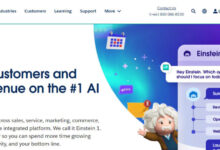
Salesforce remains a leader among the Top Cloud-Based CRM Platforms, offering robust features and unmatched customization.
Key Features
- Sales Cloud for sales automation
- Service Cloud for customer support
- Marketing Cloud for personalized campaigns
- Einstein AI for predictive analytics
Pros & Cons
- Pros: Highly customizable, massive app ecosystem, strong reporting tools
- Cons: Steep learning curve, expensive for small businesses
Pricing
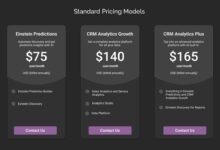
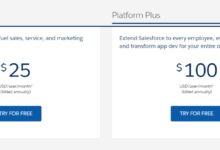
Starts at $25/user/month. Enterprise plans can exceed $300/user/month depending on features.
“Salesforce is the most powerful CRM platform available, but it comes at a cost.” – TechRadar
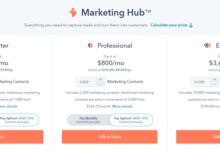
4. HubSpot CRM: Best for Startups
HubSpot CRM is a favorite for small businesses and startups thanks to its generous free plan and user-friendly interface.
Key Features
- Free CRM with unlimited users
- Sales, Marketing, and Service Hubs
- Email tracking and automation
- Live chat and chatbot tools
Pros & Cons
- Pros: Free forever plan, intuitive UI, strong integration with HubSpot ecosystem
- Cons: Limited advanced features unless you upgrade
Pricing
Free for basic CRM. Paid plans start at $45/month.
5. Zoho CRM: Most Affordable CRM
Zoho CRM is a budget-friendly option with a wide range of features for small to mid-sized businesses.
Key Features
- Sales automation
- Omnichannel communication
- AI-powered analytics with Zia
- Workflow automation
Pros & Cons
- Pros: Affordable pricing, feature-rich, customizable
- Cons: Interface can be overwhelming for new users
Pricing
Starts at $14/user/month. Free plan available for 3 users.
6. Microsoft Dynamics 365: Best for Enterprises
Microsoft Dynamics 365 integrates deeply with Microsoft products, making it ideal for large organizations.
Key Features
- AI-driven insights
- Sales, Service, Marketing, and Finance modules
- Deep integration with Microsoft 365 and Teams
Pros & Cons
- Pros: Scalable, powerful analytics, enterprise-ready
- Cons: Complex setup, expensive
Pricing
Starts at $65/user/month. Enterprise pricing available on request.
7. Freshsales: Best for SMBs
Freshsales by Freshworks offers a clean interface and strong automation features for small and medium businesses.
Key Features
- AI-powered contact scoring
- Built-in phone and email
- Visual sales pipelines
Pros & Cons
- Pros: Easy to use, affordable, good automation
- Cons: Limited third-party integrations
Pricing
Free plan available. Paid plans start at $15/user/month.
8. Other Noteworthy Platforms
Several other platforms deserve mention for their unique features and niche appeal.
Pipedrive
- Visual sales pipeline
- Great for sales teams
Insightly
- Project management + CRM
- Good for service-based businesses
Apptivo
- Highly customizable
- Affordable pricing
9. How to Choose the Right CRM
Choosing among the Top Cloud-Based CRM Platforms depends on your business size, goals, and budget.
Assess Your Needs
- Number of users
- Required features
- Integration needs
Try Before You Buy
Always use free trials or demos to evaluate usability and features.
Consider Future Growth
Choose a platform that can scale with your business.
10. CRM Trends in 2024 and Beyond
The future of CRM is shaped by AI, automation, and customer-centric design.
AI and Predictive Analytics
Platforms like Salesforce and HubSpot are integrating AI to forecast sales and personalize customer journeys.
Mobile-First CRM
More platforms are optimizing for mobile use, ensuring sales teams stay productive on the go.
Integration Ecosystems
CRMs are becoming central hubs, integrating with marketing, finance, and operations tools.
FAQs
What is the best cloud-based CRM for small businesses?
HubSpot CRM is often recommended for small businesses due to its free plan and ease of use.
Which CRM has the best AI features?
Salesforce leads in AI features with its Einstein AI, offering predictive analytics and smart automation.
Are cloud-based CRMs secure?
Yes, most top cloud CRM platforms use advanced encryption and comply with data security standards like GDPR and HIPAA.
Can I switch CRMs later?
Yes, but it’s important to plan carefully for data migration and user training when switching platforms.
Do I need technical skills to use a CRM?
Not necessarily. Many CRMs like HubSpot and Freshsales are designed for non-technical users.
Choosing the right CRM is a strategic decision that can transform how your business interacts with customers. Whether you’re a startup or a large enterprise, the Top Cloud-Based CRM Platforms offer tools to boost productivity, improve customer satisfaction, and drive growth.
Recommended for you 👇
Further Reading: